
-
NSE
 816.95
-
BSE
816.95
816.95
816.95
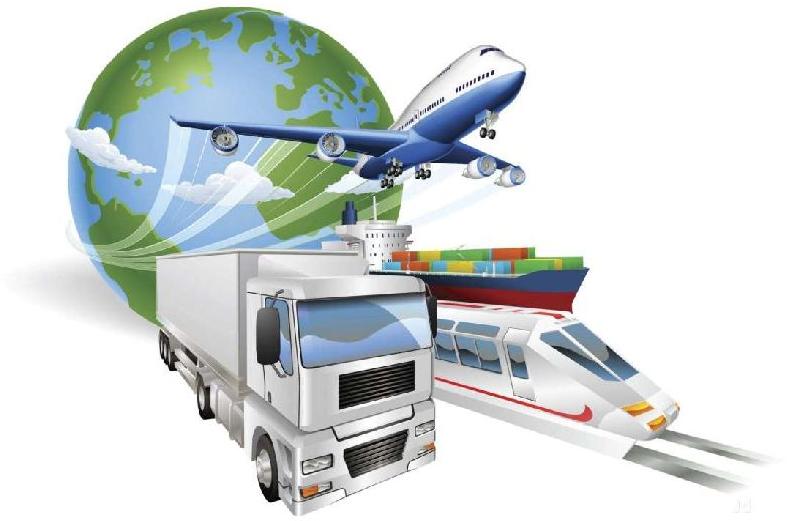
When shipping goods internationally, businesses often encounter two important players in the logistics industry: cargo consolidators and freight forwarders. While these terms are sometimes used interchangeably, they represent distinct services with different operational models. At Patel India, we help businesses understand these differences to make informed shipping decisions.
What is a Cargo Consolidator?
A cargo consolidator specializes in combining smaller shipments from multiple clients into one larger shipment. This consolidation process allows businesses to share container space and transportation costs, making international shipping more affordable for small to medium-sized enterprises. Cargo consolidators work primarily with Less than Container Load (LCL) shipments, collecting cargo from various shippers headed to the same destination.
The primary advantage of using a cargo consolidator is cost efficiency. Instead of paying for an entire container, businesses only pay for the space their goods occupy. This makes cargo consolidators an ideal choice for companies with smaller shipping volumes or those testing new markets without committing to full container loads.
Understanding Freight Forwarders
Freight forwarders offer comprehensive logistics solutions that go beyond simple consolidation. They act as intermediaries between shippers and transportation services, coordinating the entire supply chain from origin to destination. Their services include customs documentation, insurance arrangements, warehousing, cargo tracking, and multi-modal transportation planning.
While freight forwarders can also provide cargo consolidation services, their role is more expansive. They serve as logistics consultants, advising clients on the most efficient shipping routes, handling regulatory compliance, and managing complex international shipping requirements.
Key Differences Between Cargo Consolidators and Freight Forwarders
Scope of Services: Cargo consolidators focus specifically on combining shipments to reduce costs, while freight forwarders provide end-to-end logistics management including documentation, customs clearance, and supply chain optimization.
Business Model: A cargo consolidator typically works with predetermined schedules and routes where consolidation makes economic sense. Freight forwarders offer customized solutions tailored to individual client needs, regardless of shipment size.
Cost Structure: Cargo consolidators generally offer lower rates for LCL shipments due to their specialized consolidation model. Freight forwarders may charge higher fees but provide comprehensive services that can save time and reduce complexity.
Client Relationships: Cargo consolidators often work on a transactional basis, while freight forwarders develop long-term partnerships, serving as strategic logistics advisors for their clients.
Choosing the Right Partner with Patel India
At Patel India, we understand that selecting between a cargo consolidator and freight forwarder depends on your specific business needs. Companies with regular small shipments might benefit from cargo consolidator services, while businesses requiring comprehensive logistics support, customs expertise, and supply chain management should consider full freight forwarding services.
Our team at Patel India provides both cargo consolidation and complete freight forwarding solutions, ensuring your goods reach their destination efficiently and cost-effectively. Whether you're shipping small parcels or managing complex international logistics, we have the expertise to support your business growth in global markets.