
-
NSE
 816.95
-
BSE
816.95
816.95
816.95
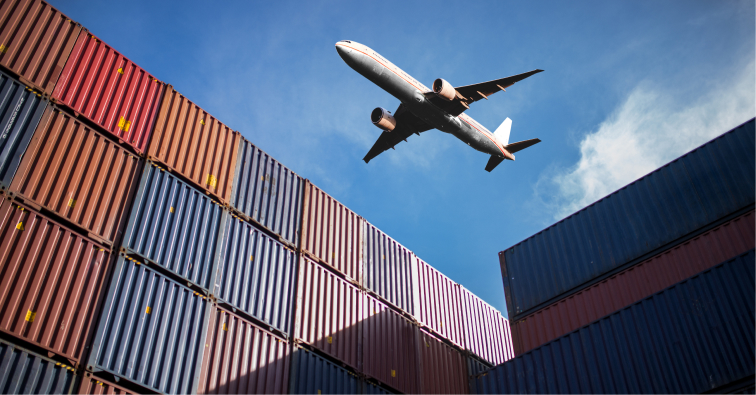
In today's competitive logistics landscape, businesses across India are constantly seeking ways to optimize their supply chain operations. As a leading Freight Consolidator In India, Patel India understands the complexities that companies face when managing their cargo shipments. Freight consolidation has emerged as a strategic solution, but it comes with its own set of challenges that require innovative approaches.
Understanding Freight Consolidation Challenges
1. Coordination Complexity
One of the primary challenges facing any Freight Consolidator In India is coordinating multiple shipments from different clients with varying timelines. Managing diverse pickup locations, delivery schedules, and cargo specifications requires sophisticated planning and real-time communication systems. At Patel India, we recognize that even minor delays in one shipment can create a domino effect, impacting the entire consolidated load.
2. Inventory Management Issues
Maintaining optimal warehouse space while consolidating freight from multiple sources presents a significant challenge. Businesses struggle with balancing inventory holding costs against the benefits of consolidation. The lack of visibility into inventory levels often leads to inefficiencies and increased operational costs.
3. Documentation and Compliance
Freight consolidation involves handling documentation for multiple shipments simultaneously. Each cargo may have different regulatory requirements, customs procedures, and compliance standards. As an experienced Freight Consolidator In India, Patel India has witnessed how documentation errors can result in costly delays and penalties.
4. Route Optimization
Determining the most cost-effective and time-efficient routes for consolidated freight is a complex puzzle. Variables such as fuel costs, road conditions, vehicle capacity, and delivery deadlines must be carefully balanced to maximize efficiency.
Smart Solutions from Patel India
Advanced Technology Integration
Patel India leverages cutting-edge transportation management systems (TMS) that provide real-time tracking, automated scheduling, and predictive analytics. Our digital platform enables clients to monitor their consolidated shipments at every stage, ensuring complete transparency and control.
Strategic Warehouse Network
As a trusted Freight Consolidator In India, we've established strategically located consolidation centers across major industrial hubs. This network minimizes transit times and reduces handling costs while providing flexible storage solutions for our clients.
Data-Driven Decision Making
Our team utilizes advanced analytics to identify consolidation opportunities, predict demand patterns, and optimize load planning. This data-driven approach helps reduce empty miles, improve vehicle utilization rates, and lower overall shipping costs for our clients.
Flexible Consolidation Models
Understanding that one size doesn't fit all, Patel India offers customized consolidation solutions including scheduled consolidation services, dynamic pooling, and dedicated consolidation programs tailored to specific industry requirements.
Expert Compliance Management
Our dedicated compliance team stays updated with the latest regulations and customs procedures, ensuring that all consolidated shipments meet legal requirements. We handle complex documentation processes efficiently, reducing the risk of delays at checkpoints.
The Patel India Advantage
As a premier Freight Consolidator In India, Patel India combines industry expertise with technological innovation to transform freight consolidation challenges into competitive advantages. Our commitment to operational excellence, customer service, and continuous improvement has made us the preferred logistics partner for businesses seeking reliable, cost-effective consolidation solutions.
By addressing these challenges with smart, technology-enabled solutions, we help our clients reduce shipping costs by up to 30%, improve delivery reliability, and enhance their overall supply chain performance.